


A strong South Bay sale often starts before the first showing: with a launch price grounded in current competition, condition, and buyer behavior. The goal is not simply to name the highest number possible, but to create a clear, credible position that brings qualified buyers through the door and supports a confident negotiation.
The Launch Price Sets the Conversation
When a home comes to market, the first days carry unusual weight. Buyers who have been monitoring South Bay inventory can quickly compare a new listing with recent sales, active alternatives, and homes that have been available for several weeks. That comparison happens before a showing is scheduled, which makes the initial price a central part of the property’s story.
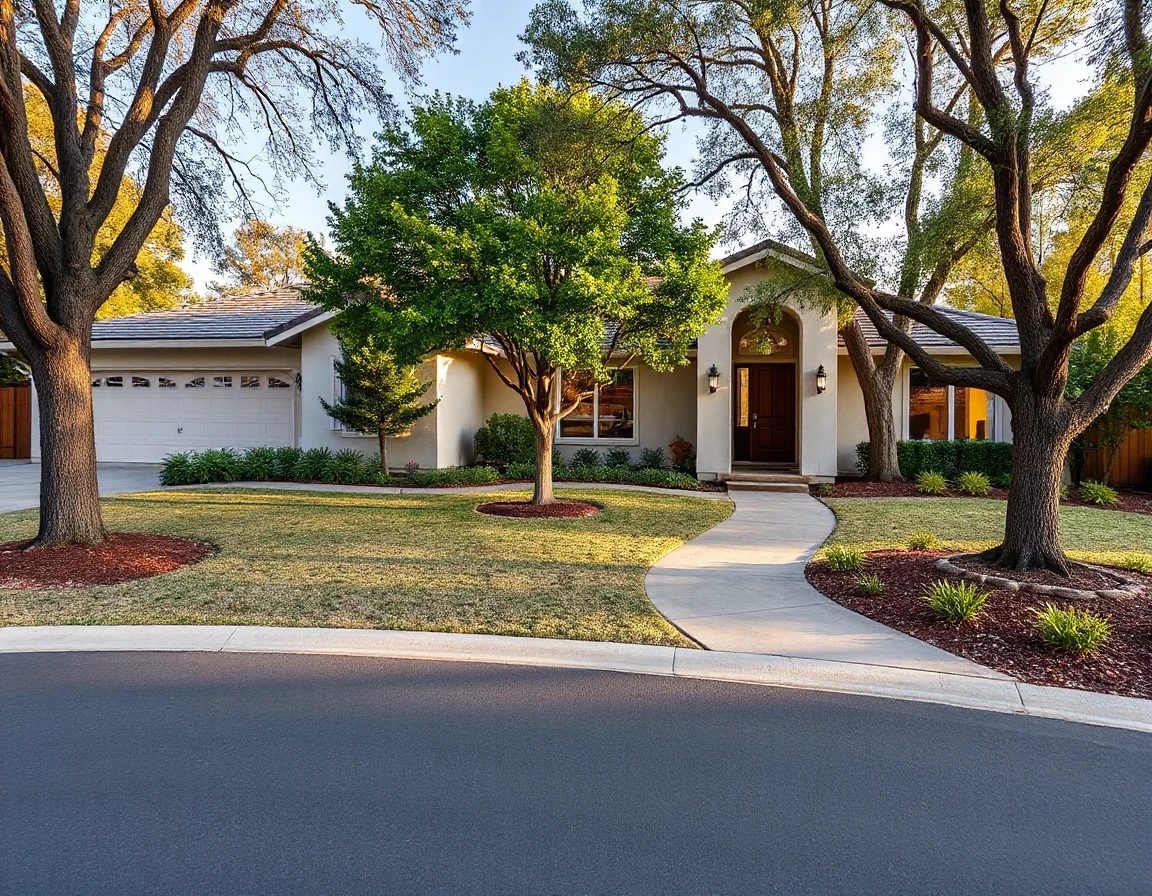
A well-supported launch price signals that the seller understands the market and invites buyers to take the opportunity seriously. It should reflect more than a broad online estimate or a nearby sale from a different season. Lot position, updates, floor plan, natural light, condition, school district boundaries, proximity to transportation corridors, and the number of comparable listings available today can all affect how buyers perceive value.
In Silicon Valley and the broader South Bay, market conditions can shift from one micro-market to the next. A renovated home in Los Gatos may attract a different buyer pool and face different competition than a similar-sized property in San Jose, Morgan Hill, or an unincorporated hillside area. Pricing works best when it starts with a detailed comparison of homes that buyers can realistically choose between right now.
It is also important to distinguish between asking price, likely sale range, and aspirational value. These figures can overlap, but they are not automatically the same. A strategic asking price is designed to create attention while staying defensible when buyers, agents, appraisers, and lenders begin examining the details.
The most useful comparable sales are recent, nearby, and genuinely similar—but active and pending listings matter too, because they reveal the choices buyers are weighing at this moment.
Why Starting Too High Can Cost Momentum
It is understandable to want room for negotiation, particularly after investing time and money into preparing a home. Yet an inflated opening price can limit the listing’s audience from the start. Many buyers search within defined price bands, and a property priced just above a common threshold may not appear in the searches of buyers whose budgets could otherwise support it.
Overpricing can also create a difficult comparison. If similar homes offer more updates, a larger lot, a more convenient layout, or a more favorable location at the same price, buyers may tour the listing but hesitate to write. As days on market accumulate, the conversation can shift from “new opportunity” to “what has been missed?” That is not always fair to the home, but it is a real part of how the market interprets availability.
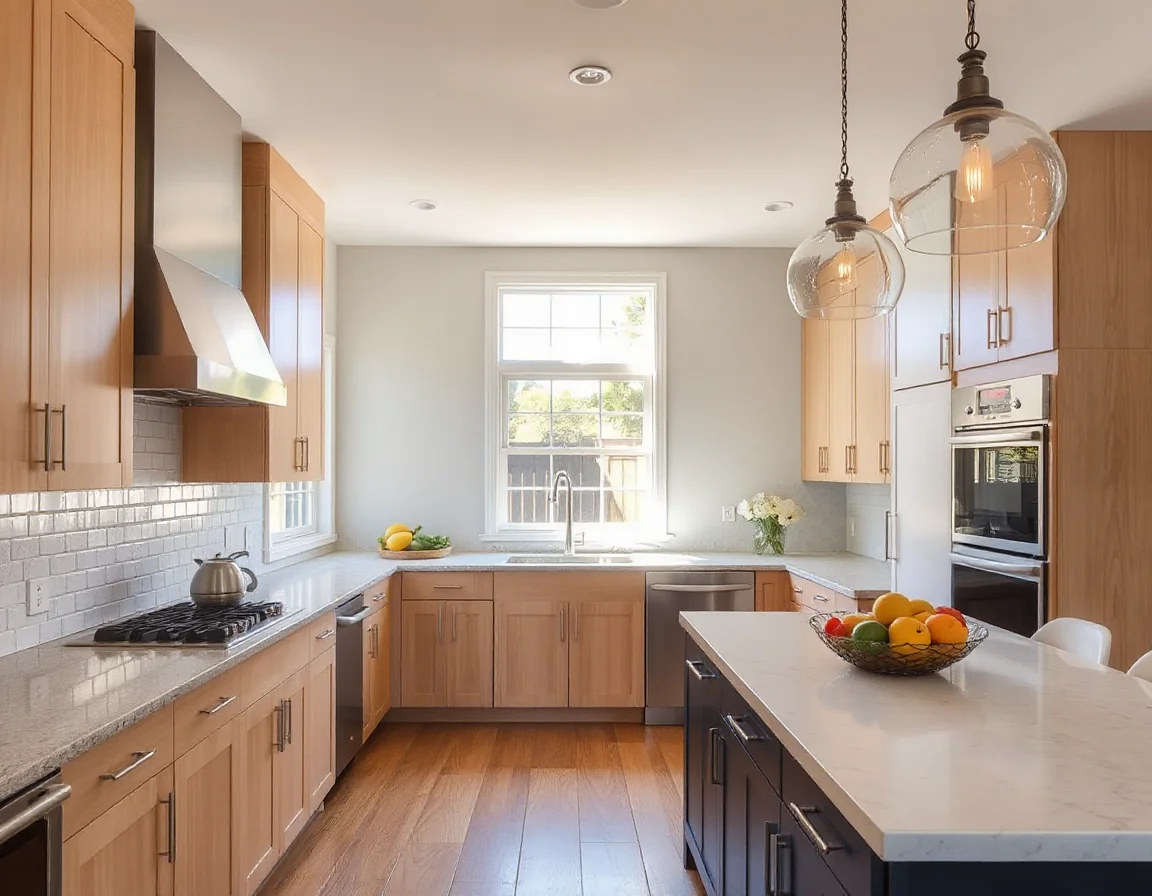
A later price reduction may broaden exposure, but it cannot fully recreate the curiosity generated by a fresh listing. The strongest early audience has often already seen the home, compared it to alternatives, and made a decision. That is why a thoughtful pre-launch plan—including repairs, staging decisions, photography, disclosures, and pricing—can be more valuable than simply testing a number.
There is no universal “price low” formula. A price that is too aggressive for the home’s condition or the local inventory can create uncertainty rather than competition. The better objective is accuracy with intention: position the property where its features, presentation, and market evidence can be understood quickly by informed buyers.
A seller should also expect the pricing conversation to evolve as new information arrives. Showing activity, second tours, buyer questions, feedback about condition, and changes among competing listings all provide useful signals. Reviewing those signals promptly makes it easier to respond while the listing is still current in the market.
Building a Price Around Evidence, Not Guesswork
A complete pricing analysis begins with closed sales, but it should not stop there. Closed transactions demonstrate what buyers have recently agreed to pay. Active listings show the competition. Pending sales can indicate where demand is forming, although final terms are not yet public. Withdrawn and expired listings may reveal price points or presentation choices that did not connect with the market.
From there, the analysis should account for the property itself. Features such as a remodeled kitchen, a flexible workspace, outdoor living areas, solar systems, pool maintenance, hillside access, views, deferred maintenance, or an unusual floor plan may require adjustments beyond a simple price-per-square-foot calculation. Square footage is a useful reference point, but it rarely tells the full story.
Ryan Nunnally brings a public accounting background to this process, adding a disciplined, numbers-forward perspective to local real estate guidance. That approach is particularly helpful when a seller is comparing several plausible strategies: pricing near recent closed sales, positioning against active competition, or accounting for improvements that may not have an exact match in the immediate area.
A pricing recommendation is strongest when it answers two questions clearly: why this home belongs in its range, and what a buyer will see as the best alternatives on the same weekend.
Timing is another variable. Seasonal inventory patterns, interest-rate movement, local employment news, and the pace of pending sales can influence how much flexibility the market offers. None of these factors should replace property-specific analysis, but they help set expectations for launch timing, offer review plans, and negotiation posture.
Preparing for the Appraisal and the Negotiation
The sale price is only one milestone. If financing is involved, the appraisal introduces another review of value. A listing that is carefully documented from the beginning can make this stage smoother. Sellers benefit from keeping a clear record of meaningful improvements, permits when applicable, upgrade costs, and the features that distinguish the home from nearby comparables.
Pricing with evidence also strengthens negotiation. When an offer arrives, the discussion can focus on terms, timing, contingencies, and the buyer’s overall package rather than immediately defending a number that appears disconnected from the market. That clarity is valuable whether the listing receives one offer or several.
Presentation matters here as well. Clean disclosures, a practical repair strategy, high-quality photography, and a home that is ready for showings help buyers evaluate the property with fewer unanswered questions. Pricing is not separate from marketing and preparation; each part reinforces the others.
For sellers considering a move within the region, it can help to look at both sides of the transaction early. Understanding likely net proceeds, the cost of potential improvements, and current options in the next location creates a more complete decision framework. A well-planned launch can support not only the sale itself, but also the timeline and choices that follow.
Talk with Ryan about your selling plan
A Confident Start Creates More Options
The right launch price is not a promise of a particular outcome, and no pricing strategy can remove every market variable. It is, however, one of the clearest ways to give a home its best introduction. By combining current local data, an honest assessment of condition, thoughtful preparation, and close attention to competing inventory, sellers can enter the market with a plan rather than a hope.
For South Bay homeowners, the most productive pricing conversation is specific, current, and rooted in the property’s real strengths. A credible opening position can attract attention, support meaningful showings, and leave room for a negotiation built on facts. That is the advantage of treating launch price as a strategy—not just a number on a listing sheet.