


Before putting a San Jose home on the market, focus on three connected numbers: the price range buyers are likely to support, the cost of preparing the property, and the proceeds expected after closing. Looking at all three together can turn a stressful decision into a clear plan with realistic options.
The Three Numbers Behind a Confident Listing Plan
A strong listing strategy is not built around one headline price alone. In San Jose, where property values, buyer expectations, and neighborhood-level activity can vary block by block, homeowners benefit from understanding what the market may support and what the sale may actually deliver. The goal is not to predict every outcome perfectly; it is to make informed decisions before photographs, showings, and offers enter the picture.
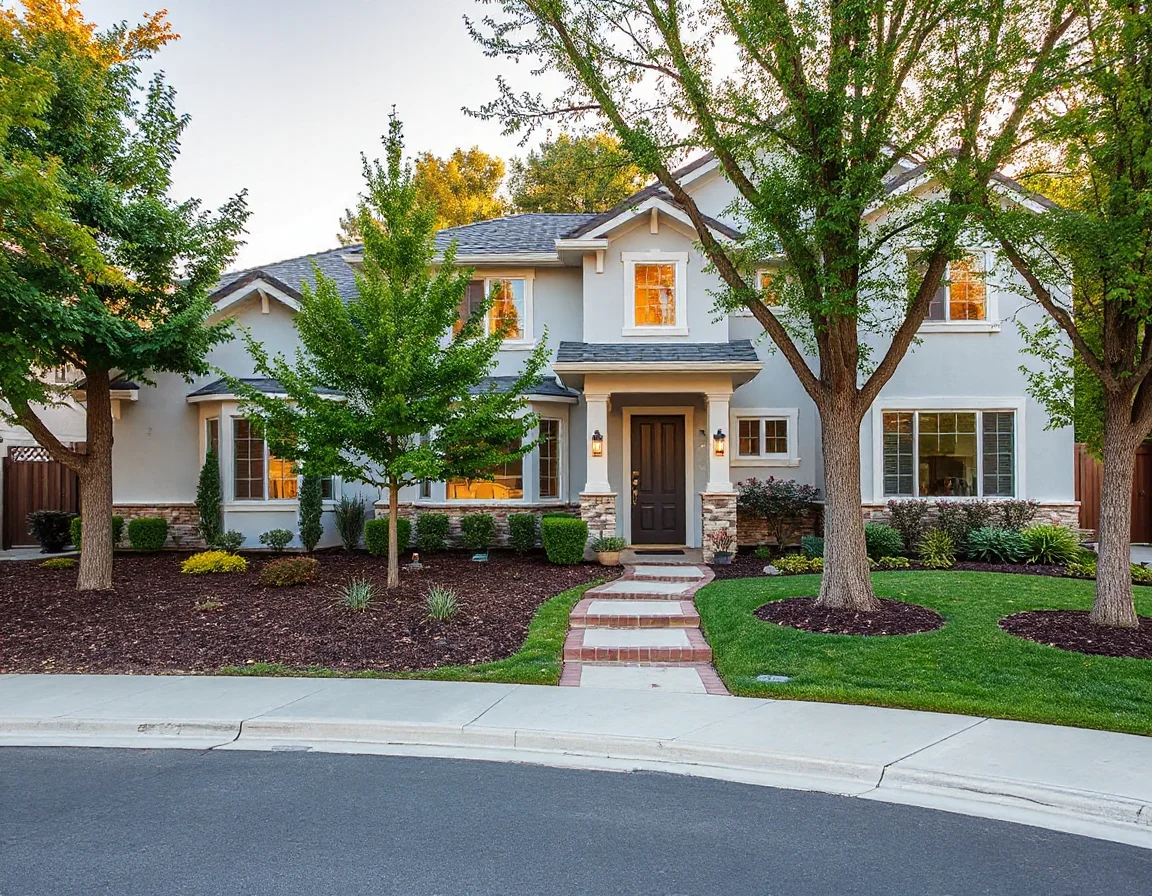
Number one is the market-supported pricing range. This is broader and more useful than an automated estimate or the highest nearby sale. A practical range is informed by recently sold comparable homes, active competition, pending listings, lot size, condition, updates, layout, location, and the timing of each sale. A home that looks similar on a map may perform differently if its renovation level, natural light, outdoor space, or functional floor plan differs from the properties buyers have already chosen.
Recent sales establish the clearest evidence of what buyers were willing to pay, while active listings show the choices buyers can consider today. Pending sales can add useful context, though their final prices are usually not public until closing. Reviewing these categories together helps identify whether a proposed list price is designed to meet the market, test an upper boundary, or create room for negotiation.
The list price also influences the first several days of exposure. New listings often receive the most attention when they initially appear, so it is worth considering how the home will compare with alternatives in the same price band. A price that is disconnected from current evidence can reduce early engagement and make later adjustments more difficult to interpret.
The most useful pricing conversation starts with a range, not a single magic number. Comparing sold, active, and pending homes keeps the decision anchored to current buyer choices.
For homeowners weighing a move, it can help to review the analysis in more than one scenario. For example, a conservative market-supported price, a central target price, and a higher aspirational price can each be paired with estimated costs and proceeds. That side-by-side view makes tradeoffs visible before the listing goes live.
Estimate the Cost of Preparing the Property
Number two is the pre-listing preparation budget. Every home does not need a major renovation before sale, and upgrades should not be treated as automatic. The most productive improvements are typically those that help a property show clearly, photograph well, and align with buyer expectations for its price range. A walkthrough can help separate needed repairs from optional projects and identify where a modest investment may have a visible effect.
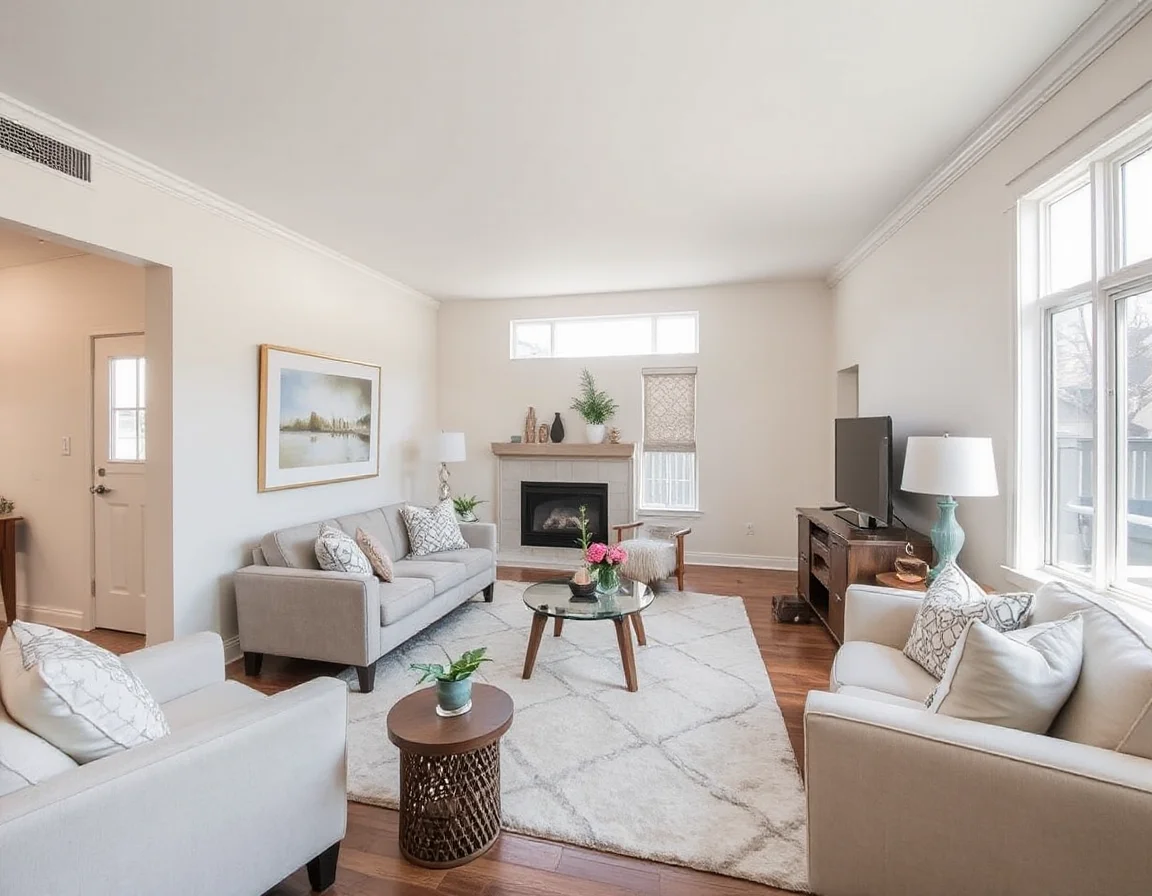
Preparation costs may include painting, touch-up work, landscaping, deep cleaning, decluttering, minor repairs, staging, photography, inspections, and moving or storage arrangements. The right combination depends on the home’s condition and the owner’s timeline. Some sellers prefer to complete repairs in advance; others may choose to disclose condition and price the home accordingly. Neither route is universally right, which is why a written estimate and clear priorities are valuable.
A useful plan divides the work into three groups: items to complete before marketing, items that can be disclosed without repair, and items not likely to influence the sale enough to justify the expense. This prevents the common mistake of spending broadly without a defined return or schedule. It also makes it easier to coordinate contractors, cleaners, and photography without rushing the final week before launch.
- Essential: deferred maintenance, safety-related repairs, or visible issues that may distract from the home.
- Presentation-focused: paint touch-ups, landscaping cleanup, lighting, and decluttering.
- Optional: larger upgrades that should be evaluated against likely market impact and timing.
For many San Jose properties, thoughtful presentation matters as much as the project list itself. Clean lines, accessible rooms, accurate photography, and a well-timed launch allow buyers to understand the property more quickly. The objective is not to make a home look like every other listing; it is to present its actual strengths with care and clarity.
A preparation budget works best when it includes a contingency for small repairs discovered during cleaning, inspections, or contractor walkthroughs.
Calculate Expected Net Proceeds, Not Just the Sale Price
Number three is the estimated net proceeds. This is the number that connects a potential sale to the next financial decision. A sale price can look compelling on its own, but proceeds are calculated after subtracting items such as any mortgage payoff, transaction-related costs, negotiated credits if applicable, preparation expenses, and other obligations associated with closing.
Because each homeowner’s situation is different, the estimate should be personalized rather than based on a generic percentage. Owners may have a primary mortgage, a home equity line, solar obligations, prepaid taxes, association fees, or other details that need to be confirmed. Sellers should also consult their tax and legal professionals for advice about their individual circumstances, including potential capital-gains considerations.
A straightforward proceeds worksheet generally includes:
- Expected sale-price scenarios
- Estimated mortgage and lien payoffs
- Preparation, staging, and repair costs
- Estimated transaction and closing expenses
- Potential credits or concessions to consider during negotiations
- The estimated amount remaining after the sale closes
Seeing these categories together can guide timing as well. If a homeowner is planning to purchase another property, relocate, or simply evaluate options, projected proceeds can inform a down payment plan, moving budget, or decision to wait. Ryan Nunnally’s public accounting background brings an especially practical perspective to organizing the numbers, while local South Bay market knowledge helps connect the worksheet to the real conditions surrounding a proposed listing.
Talk through your San Jose selling options
Use the Numbers as a Decision Tool
The most useful pre-listing plan is one that stays flexible as new information arrives. A property visit may change the preparation scope. A newly closed comparable sale may refine the pricing range. An updated mortgage statement may adjust estimated proceeds. Reviewing these items early gives homeowners room to respond thoughtfully rather than making major choices under the pressure of a launch date.
Before listing a San Jose home, bring the conversation back to the three essentials: what the market is likely to support, what it will take to prepare the property, and what the seller expects to retain after closing. With those figures clearly organized, decisions about timing, improvements, and pricing become easier to evaluate—and the path from listing day to closing feels far more manageable.